
FAQ: Dry Eye Treatment in San Antonio, TX
Dry eye can cause ongoing irritation, burning, excessive tearing, and fluctuating vision that interferes with everyday comfort. At Stone Oak Vision Source in San Antonio, TX, we evaluate the underlying causes of dry eye and provide personalized treatment to improve the health and comfort of the eyes. Below are frequently asked questions on dry eye treatment.
1. What are the common symptoms of dry eye?
Patients with dry eye may experience burning, stinging, redness, irritation, excessive tearing, blurry or fluctuating vision, and a gritty sensation. Symptoms can range from occasional discomfort to persistent problems that affect reading, computer use, driving, and contact lens wear. We recommend an eye evaluation when symptoms continue or regularly interfere with your daily activities.
2. What causes dry eye?
Dry eye can develop when the eyes do not produce enough tears or when tears evaporate too quickly. Aging, certain medications, prolonged screen use, contact lenses, environmental conditions, and some health conditions can all contribute. Our eye doctors in San Antonio evaluate your eyes carefully to determine what is contributing to your symptoms before recommending treatment.
3. When should I see an eye doctor for dry eye in San Antonio, TX?
You should schedule a dry eye evaluation in San Antonio, TX when symptoms are persistent, worsening, or affecting your vision and comfort. Frequent redness, burning, irritation, light sensitivity, watery eyes, or fluctuating vision should not simply be ignored. Identifying the cause early allows us to recommend treatment before the condition becomes more difficult to manage.
4. Can watery eyes actually be a sign of dry eye?
Yes. Excessive tearing is a common symptom of dry eye for patients because irritated eyes may respond by producing a large amount of reflex tears. These tears do not always have the proper balance needed to keep the surface of the eye comfortably lubricated, so the underlying dryness can remain.
5. Can screen time make dry eye worse?
Yes. Extended computer, phone, and tablet use can contribute to dry eye symptoms because people tend to blink less frequently while concentrating on screens. Reduced blinking allows tears to evaporate more quickly. We can evaluate whether digital habits are contributing to your symptoms and recommend practical ways to improve eye comfort.
6. Can contact lenses contribute to dry eye?
Contact lenses can contribute to dryness and irritation for some patients, especially when the tear film is already unstable. Dry eye can make lenses feel uncomfortable or cause vision to fluctuate throughout the day. We can assess your eye surface, tear quality, and contact lens wear to determine how to improve comfort.
7. How can I tell the difference between allergies and dry eye?
Eye allergies and dry eye can cause similar symptoms, including redness, watering, irritation, and discomfort, which can make them difficult to distinguish without an exam. Patients may also experience both conditions at the same time. We examine the eye surface and review your symptoms to determine the most likely cause and recommend appropriate care.
8. What happens during a dry eye evaluation in San Antonio, TX?
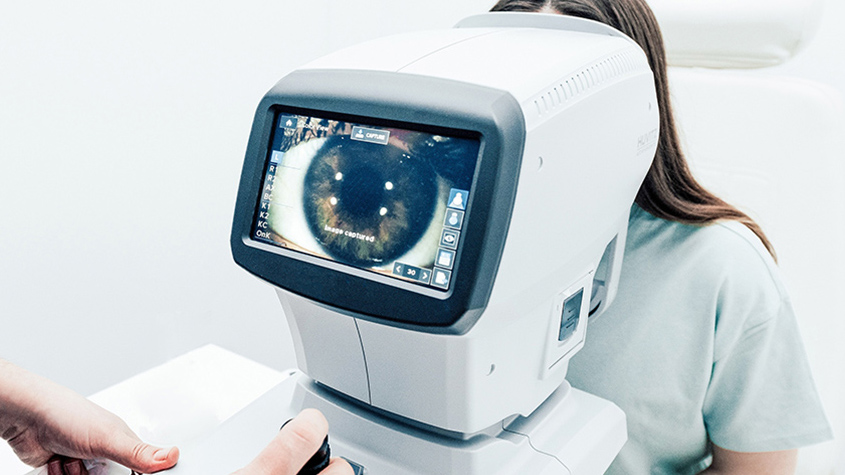
During a dry eye evaluation in San Antonio, TX, we examine the surface of your eyes and assess factors that may be contributing to irritation or poor tear quality. We also discuss your symptoms, medications, health history, contact lens use, and daily habits. This information helps us create a treatment approach based on the actual cause of your dry eye.
9. What dry eye treatment is available in San Antonio, TX?
Dry eye treatment depends on what is causing your symptoms and how severe the condition has become. Treatment may focus on improving tear quality, maintaining moisture on the eye, reducing irritation, or addressing factors contributing to excessive tear evaporation. At Stone Oak Vision Source, we determine the appropriate approach after evaluating your eyes.
10. Are artificial tears enough to treat dry eye?
Artificial tears can provide temporary relief for some mild cases of dry eye, but they do not address every cause of the condition. If you rely on eye drops frequently or your symptoms continue despite using them, a professional dry eye evaluation is appropriate. We can determine whether additional treatment is needed to provide more consistent relief.
11. Is dry eye a chronic condition for patients?
Dry eye can become a chronic condition for many patients, particularly when it is related to aging, tear film problems, medications, or underlying health conditions. While symptoms may fluctuate, consistent management can significantly improve comfort and protect the eye surface. We develop treatment recommendations based on each patient's individual needs.
12. Can medications cause dry eye?
Certain medications can contribute to dry eye symptoms by reducing tear production or affecting the stability of the tear film. If symptoms began after starting a medication, let us know during your evaluation. We consider your medication history along with other possible causes when determining the right approach to dry eye treatment.
13. Does dry eye become more common with age?
Yes. Dry eye becomes more common with age because natural changes can affect both tear production and tear quality. Adults who notice increasing irritation, watering, burning, or fluctuating vision should have their eyes evaluated rather than assuming these symptoms are simply a normal part of aging.
14. Can health conditions contribute to dry eye?
Yes. Certain systemic health conditions can contribute to dry eye symptoms, including autoimmune conditions such as Sjogren's syndrome, rheumatoid arthritis, and lupus. Because dry eye can have several contributing factors, a detailed eye evaluation is important for determining the appropriate treatment strategy.
15. What can happen if dry eye goes untreated?
Persistent dry eye in San Antonio, TX should not be ignored. When the eye surface remains poorly lubricated, ongoing irritation can affect comfort, vision, and the health of the cornea. Severe or untreated cases can potentially damage eye tissue, which is why we recommend an evaluation when symptoms become frequent or persistent.
If dry, irritated, watery, or uncomfortable eyes are interfering with your day, contact Stone Oak Vision Source in San Antonio, TX for a dry eye evaluation. Call (830) 205-2420 to discuss your symptoms and schedule an appointment with our team.



Office Hours
- Monday 8:30am - 5:30pm
- Tuesday 8:30am - 5:30pm
- Wednesday 8:30am - 5:30pm
- Thursday 8:30am - 5:30pm
- Friday 8:30am - 2:00pm
- Saturday 8:30am - 2:00pm
- Sunday Closed
© 2026 Stone Oak Vision Source. All rights Reserved. Accessibility Statement - Privacy Policy - Sitemap
Managed and Design by:
